Explore
Understand users through contextual inquiry.
A user-focused digital wellness design that reduces isolation among remote workers and increases connection and hedonic happiness during the workday.
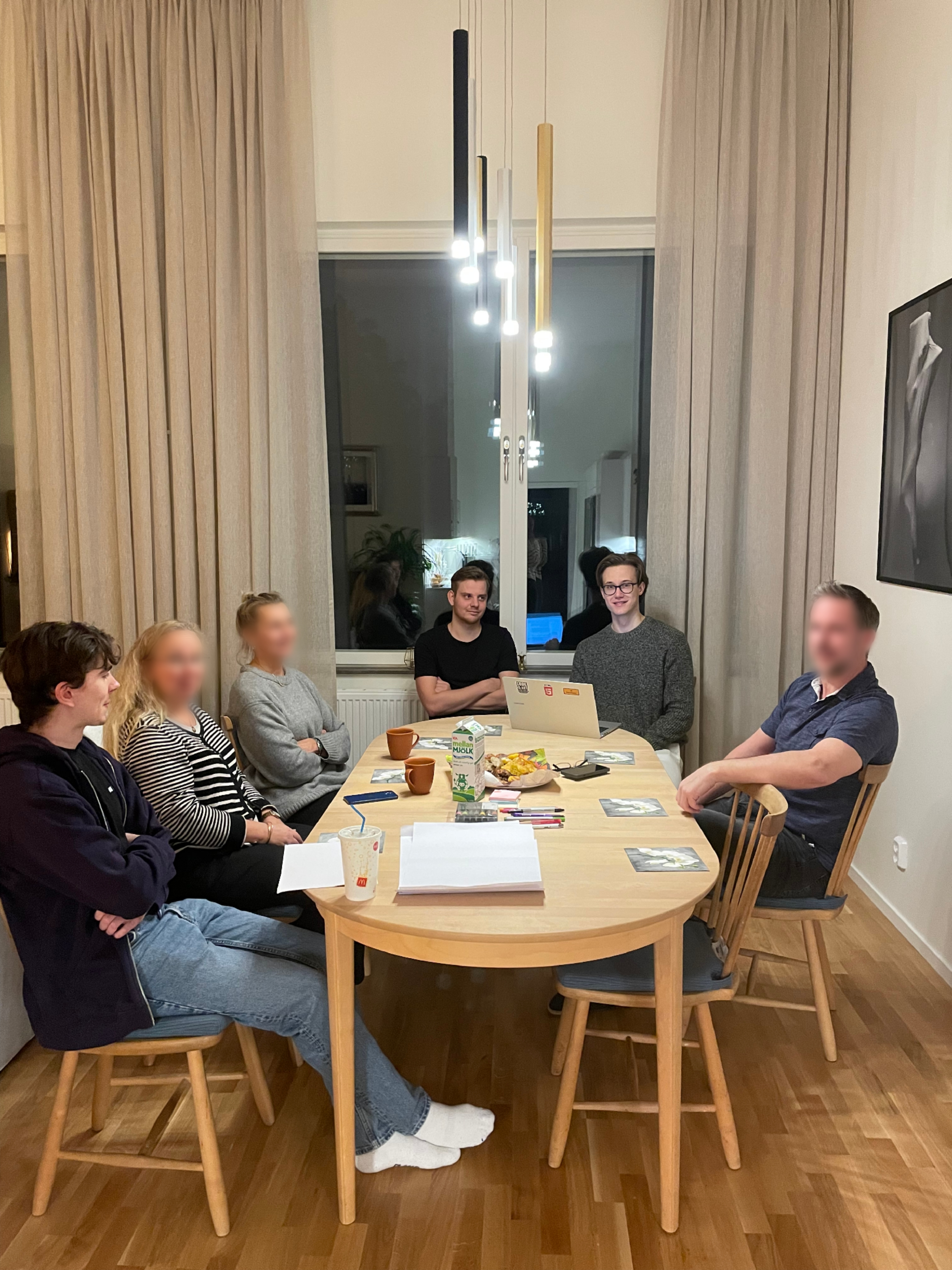
Participants shaped the solution throughout the project, from contextual inquiry to prototype evaluation.
Understand users through contextual inquiry.
Synthesize insights and frame the problem.
Generate concepts with participants.
Create and refine the experience.
Validate with users and iterate.
Participatory design treats users as active co-creators rather than only end-consumers. Rooted in Scandinavian workplace democracy, it engages people throughout the process and supports deeper insight, ownership, inclusion, and adoption.
The project aligned remote work with the Global Goals for Good Health and Well-Being and Decent Work and Economic Growth. Three experienced remote workers joined the full design process as participants and co-creators.
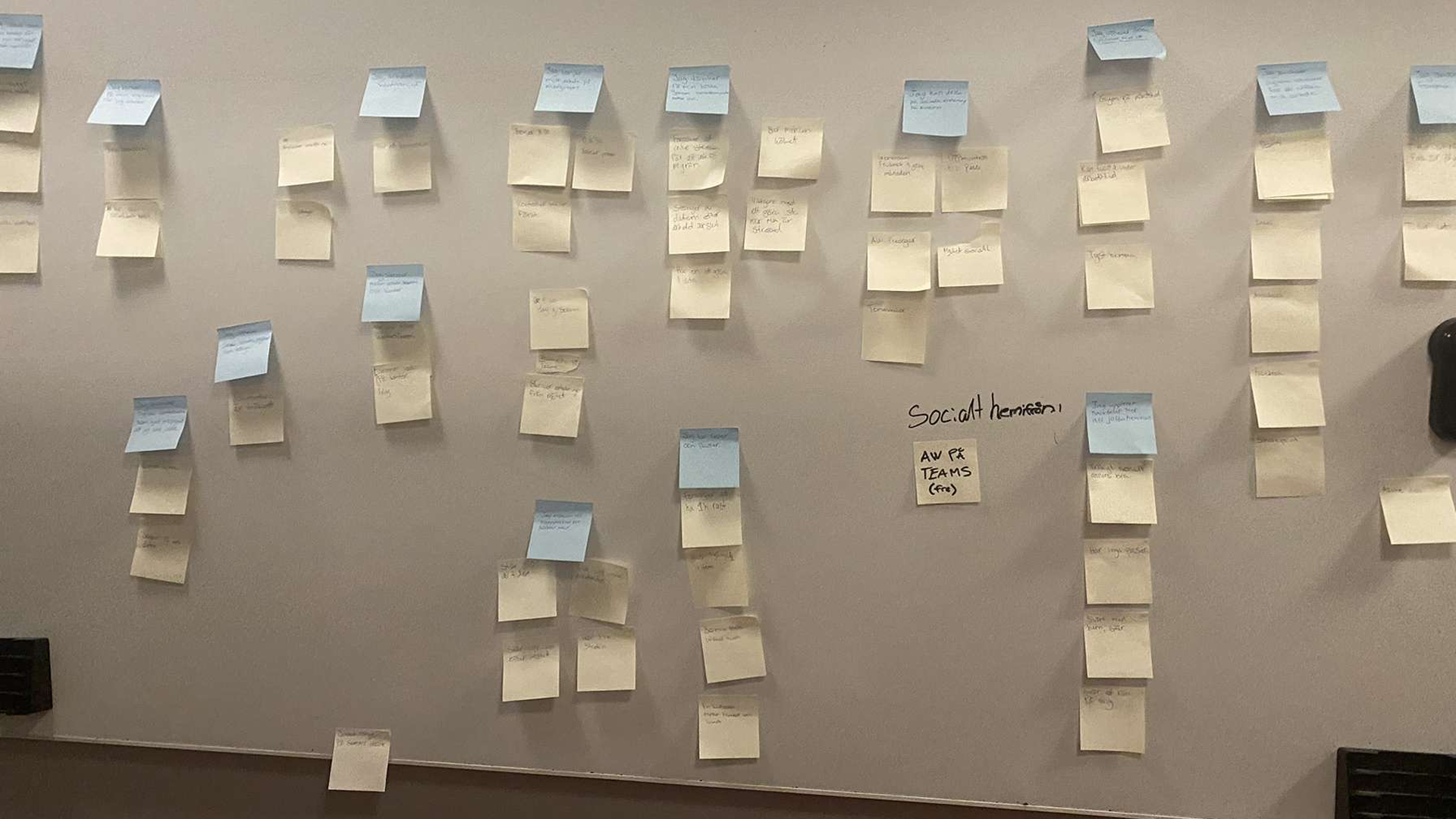
To form an initial understanding of the domain, we met each participant in their home workspace. We observed their routines, tools, and environments, then synthesized detailed field notes into an affinity diagram.
The observations revealed recurring themes around ergonomics, mental health, and digital fatigue.
I miss the spontaneous chats by the coffee machine. Can we recreate that somehow?
Participant B
Participants listed remote-work challenges in a critique phase, imagined unconstrained solutions, and grounded their strongest ideas in an implementation phase.
Two concepts stood out: a virtual workspace and a collaborative online quiz.
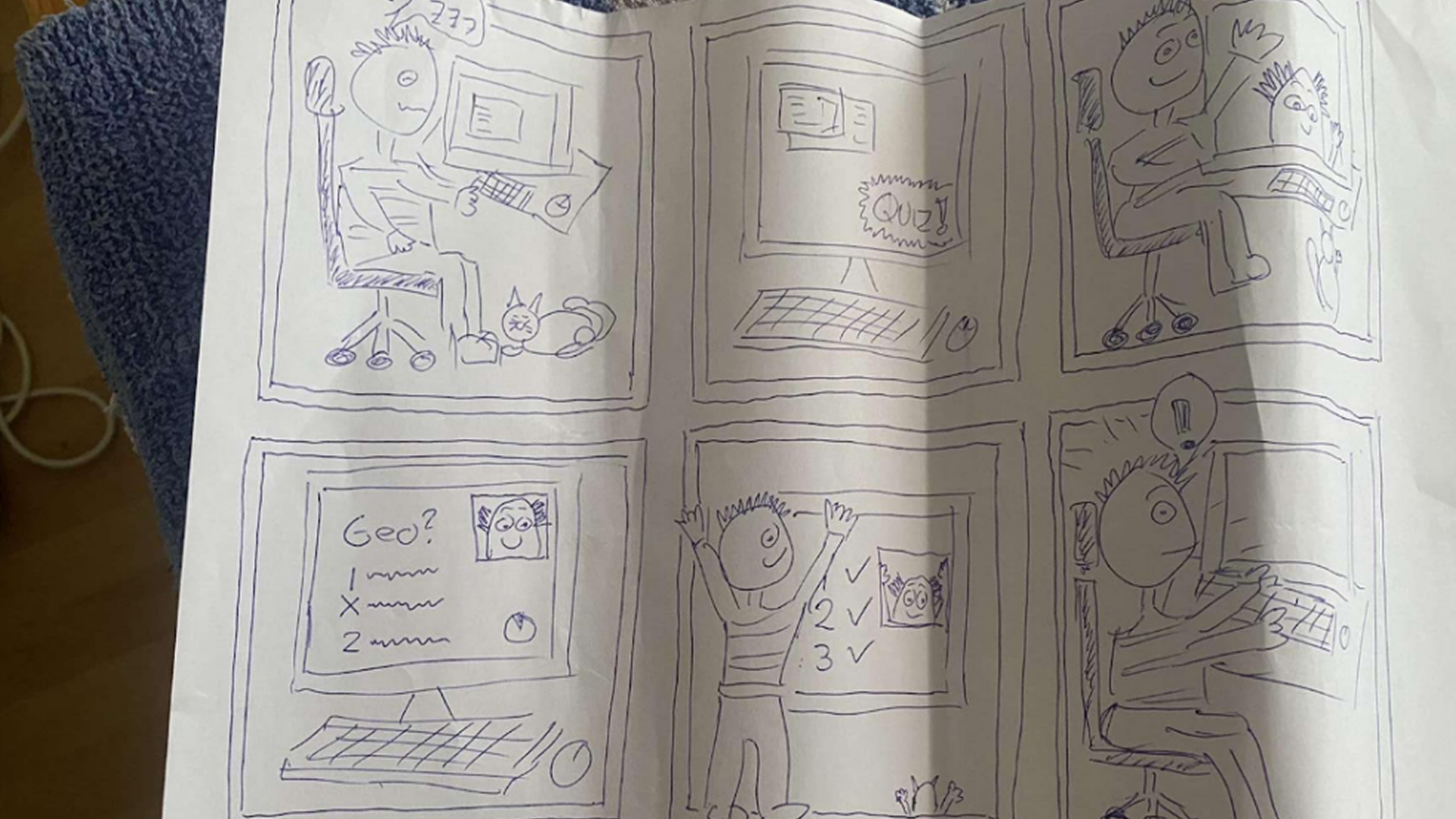
Participant scenarios became storyboards and interface sketches. These were merged into mutual storyboards, digitized through Prototyping on Paper, and prioritized with an impact-effort matrix.
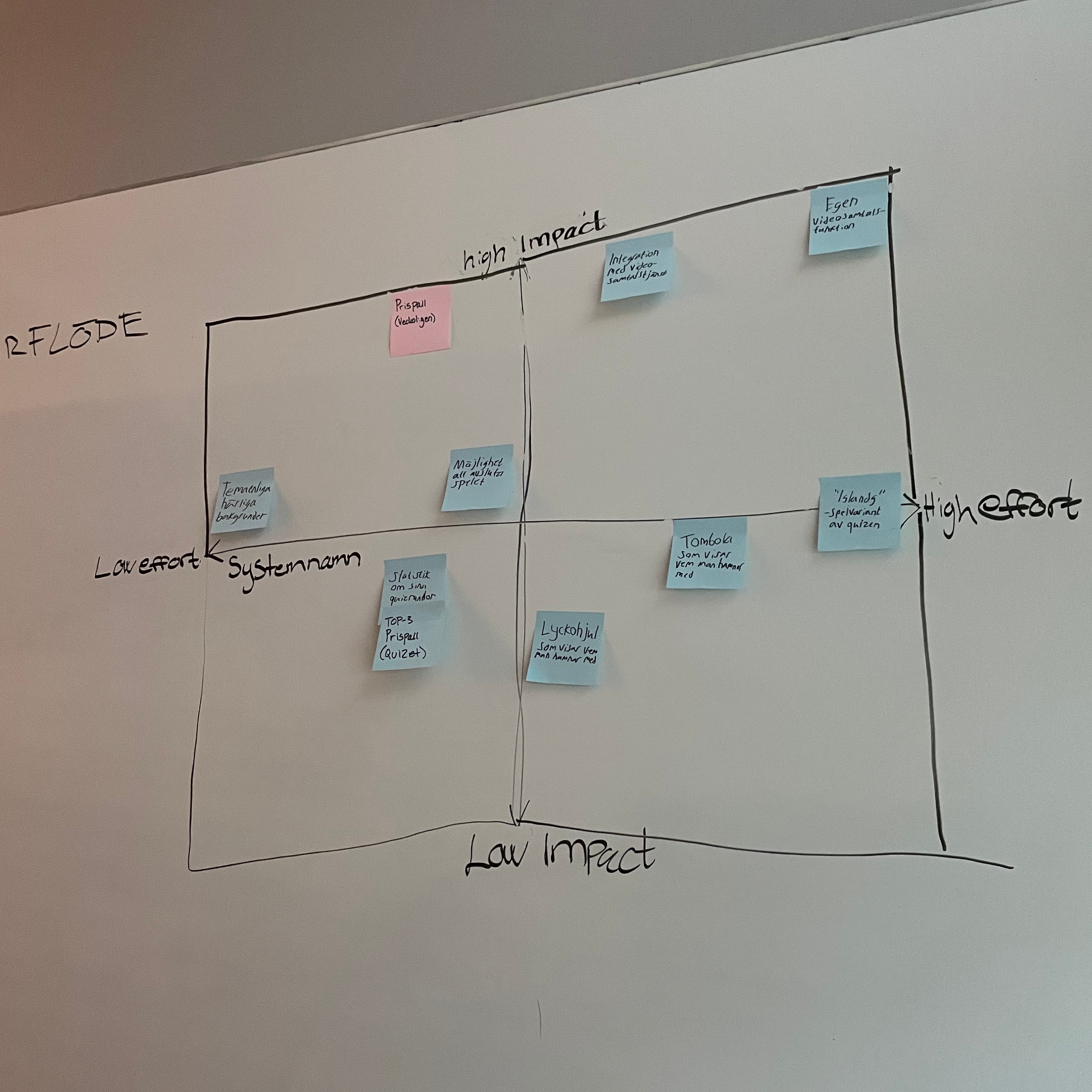
Seeing my sketch turned into a feature made me feel like part of the design team.
Participant B
We built high-fidelity prototypes in Figma from participant blueprints. Both concepts were tested, but the quiz was prioritized because it resonated most strongly with participants.
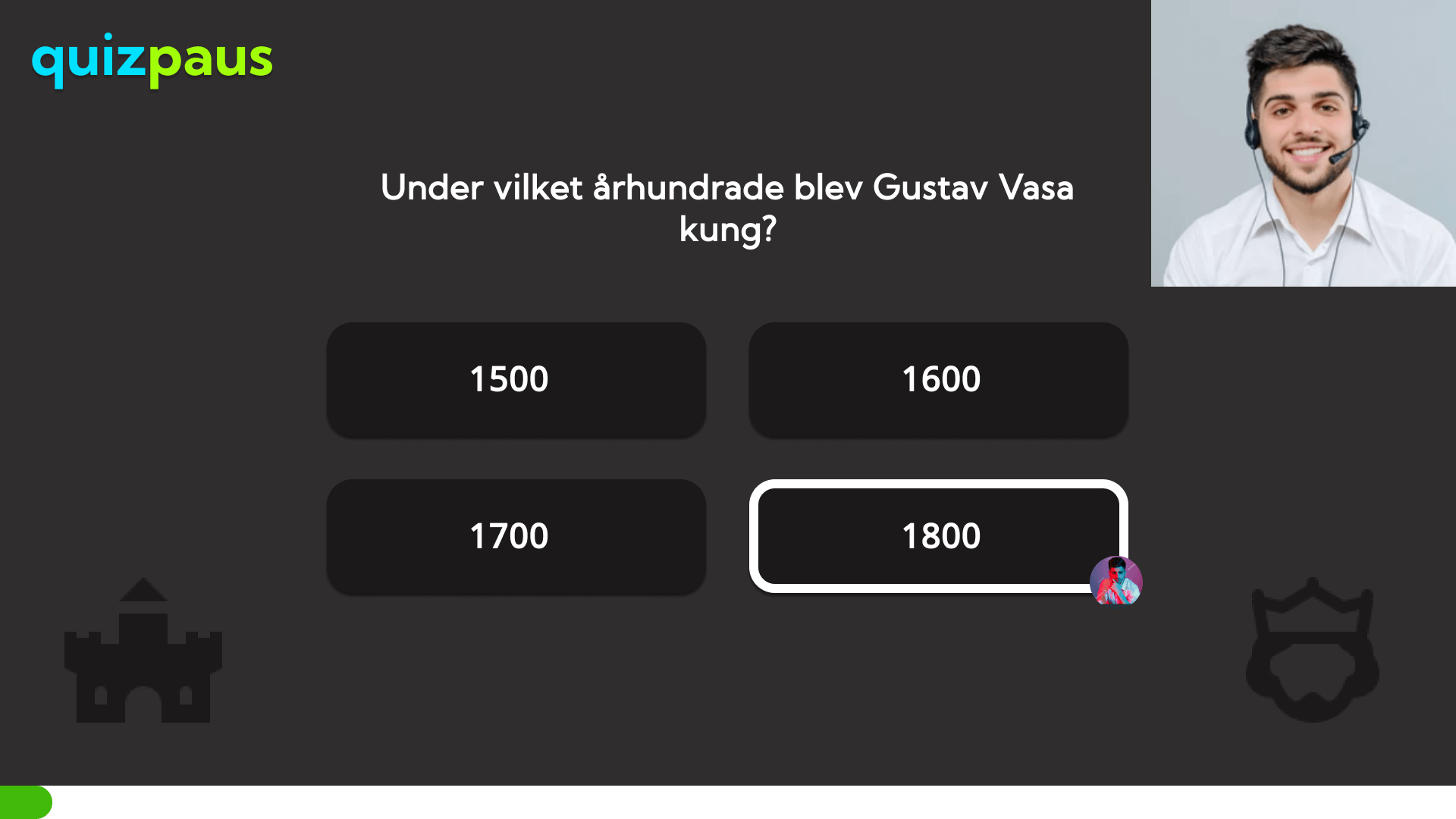
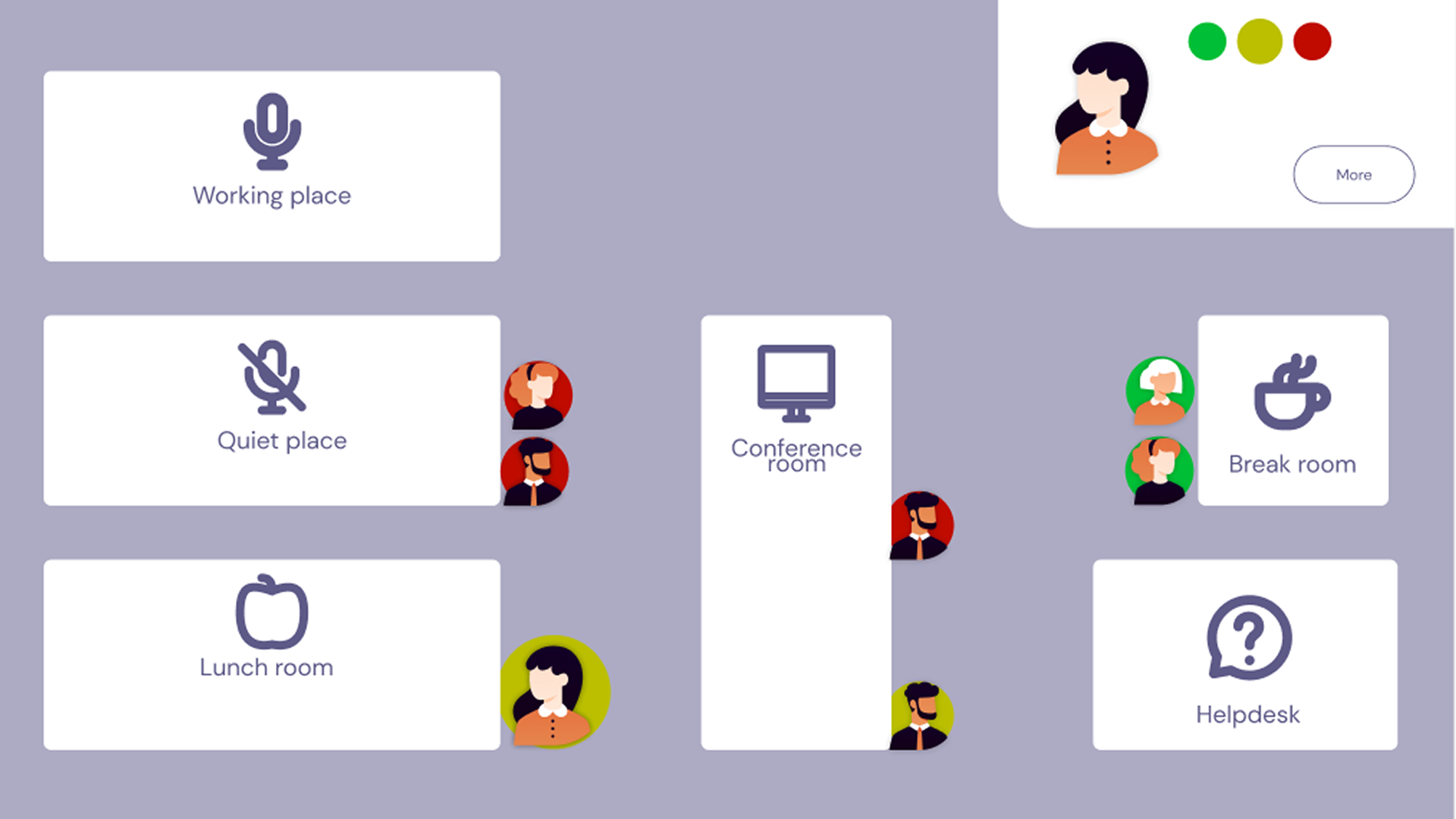
The quiz idea felt fun and light, something I would actually use during breaks.
Participant A
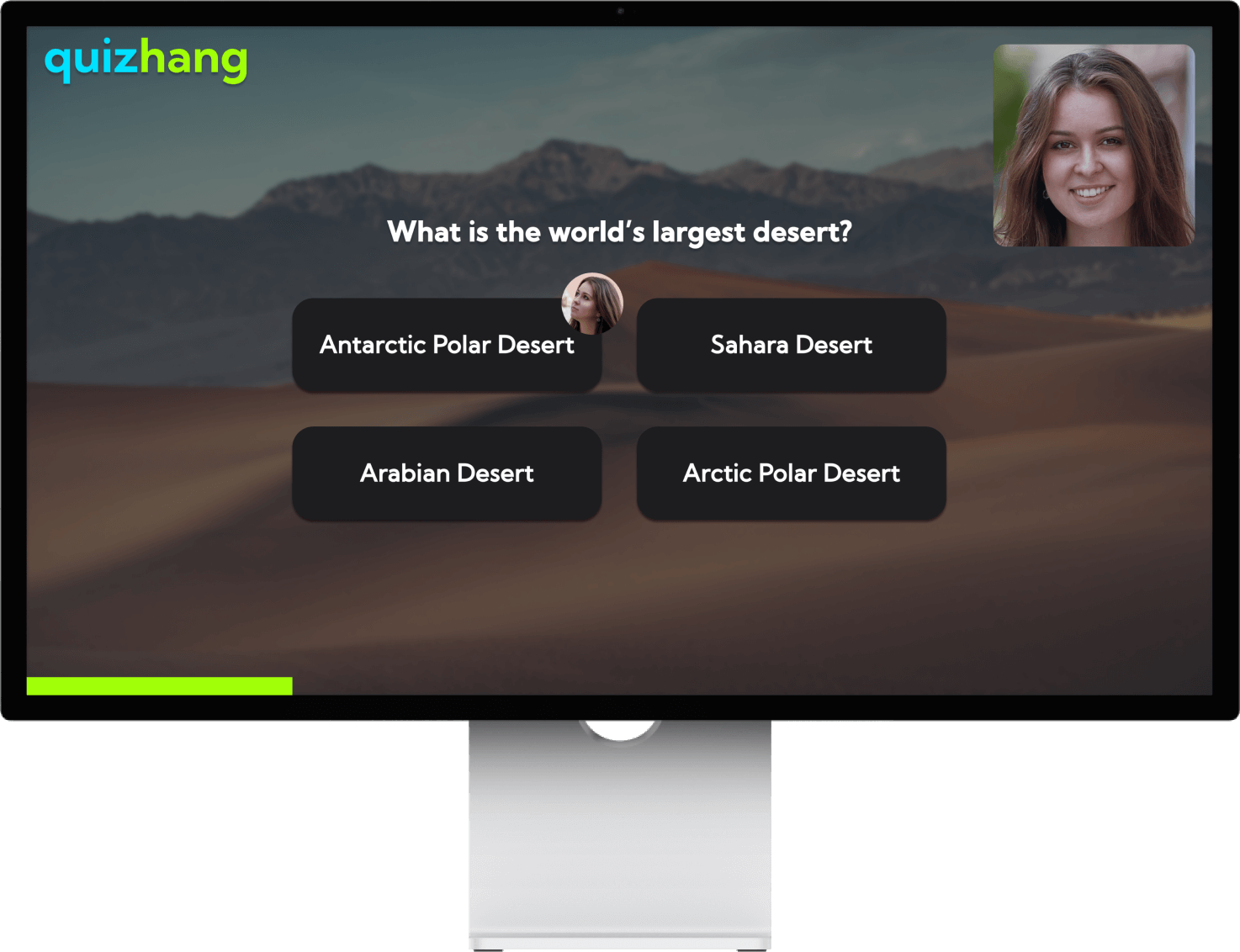
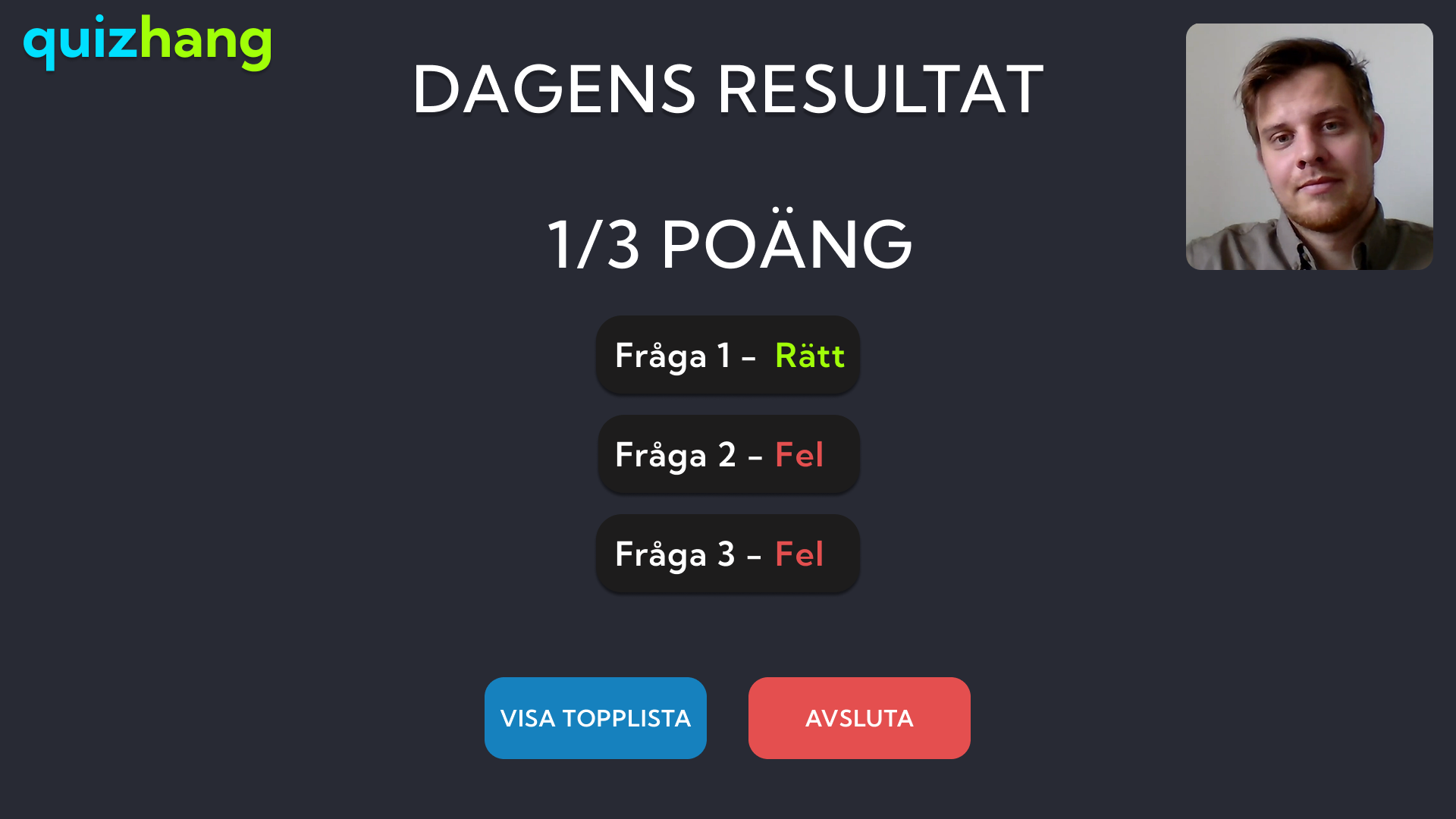
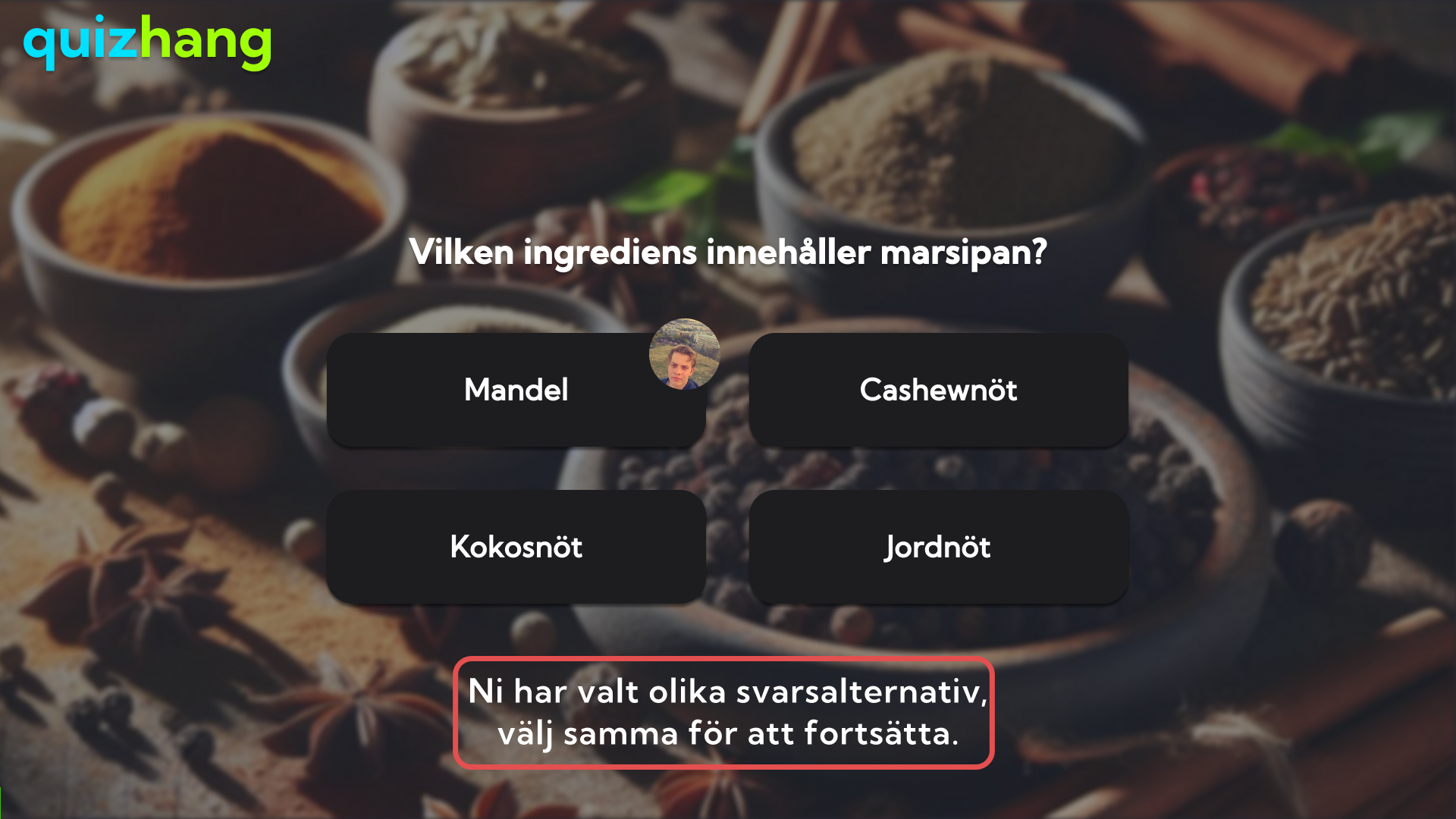
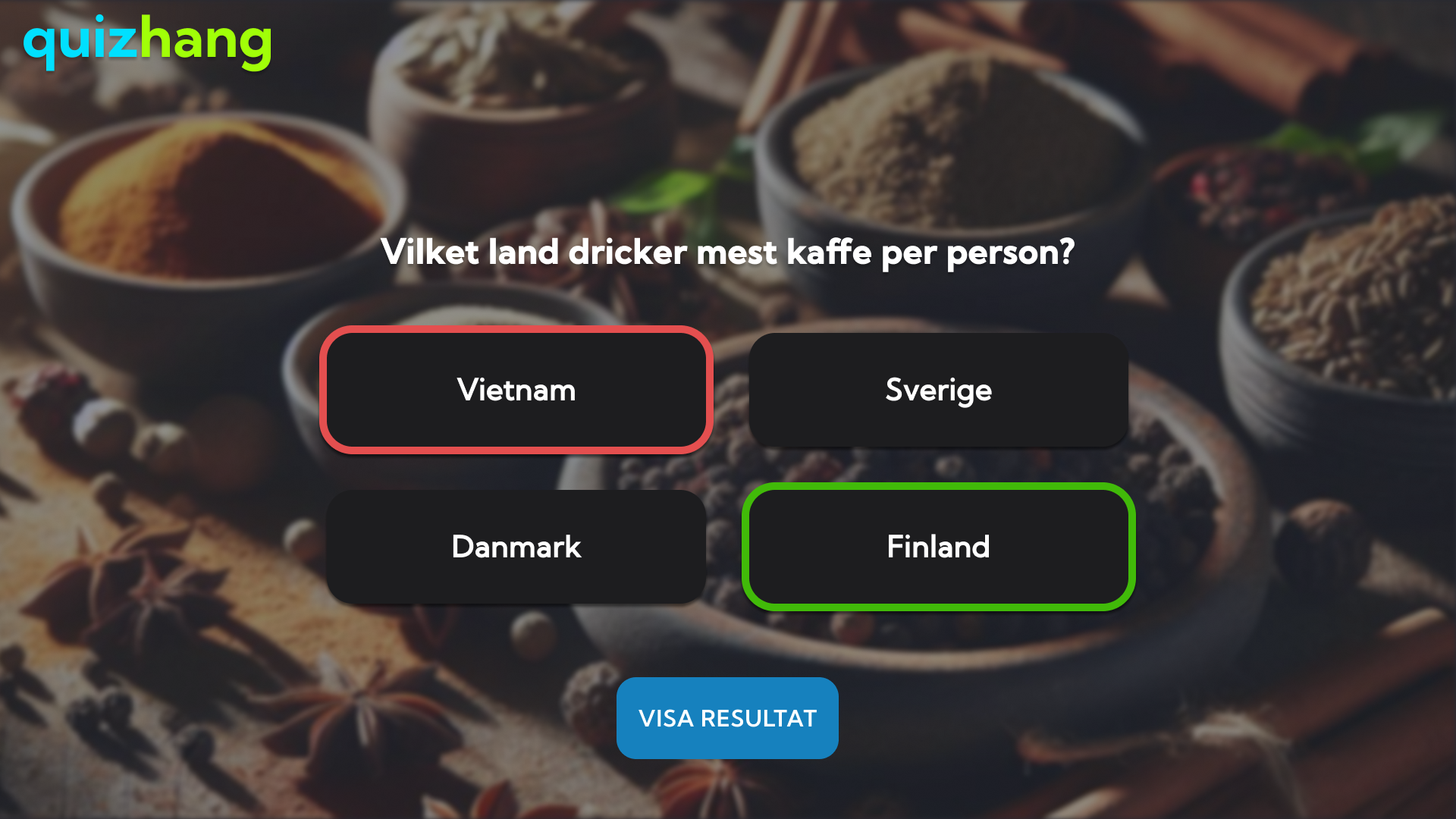
QuizHang pairs two random colleagues in a short video call and gives them three quiz questions to solve collaboratively. Results and a leaderboard add a light competitive layer.
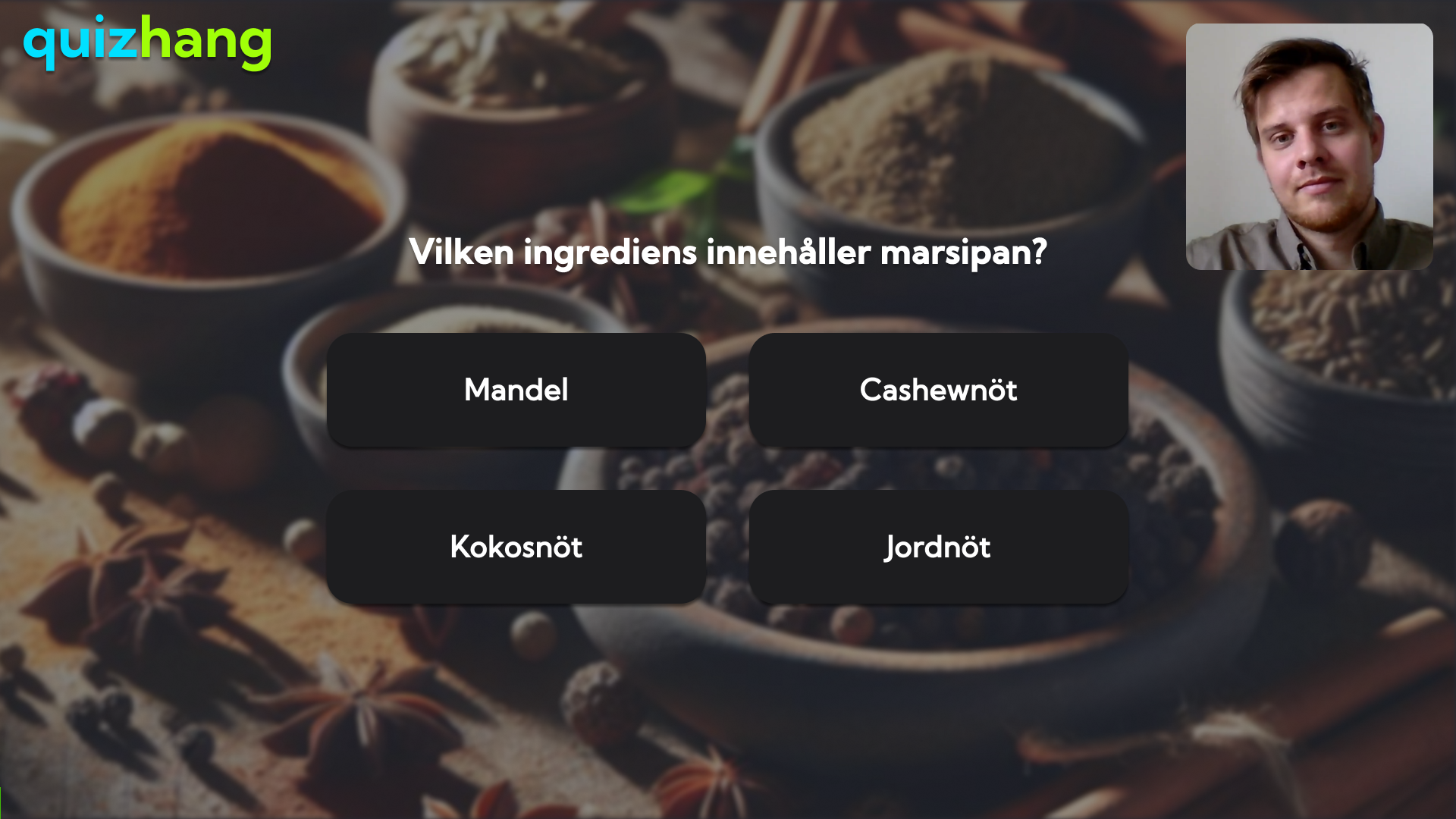
This feels like something that could actually make my workday more enjoyable.
Participant C
This project strengthened my skills in facilitation, active listening, co-creation, and rapid prototyping. Participatory design made the work more empathetic and inclusive because users did more than provide feedback: they directly shaped the product with us.