Empathise
Study bird behavior through literature, experts, and observation.
An animal-computer interaction project exploring how physical shelter, sensing, and responsive technology can support small birds through cold Swedish winters.
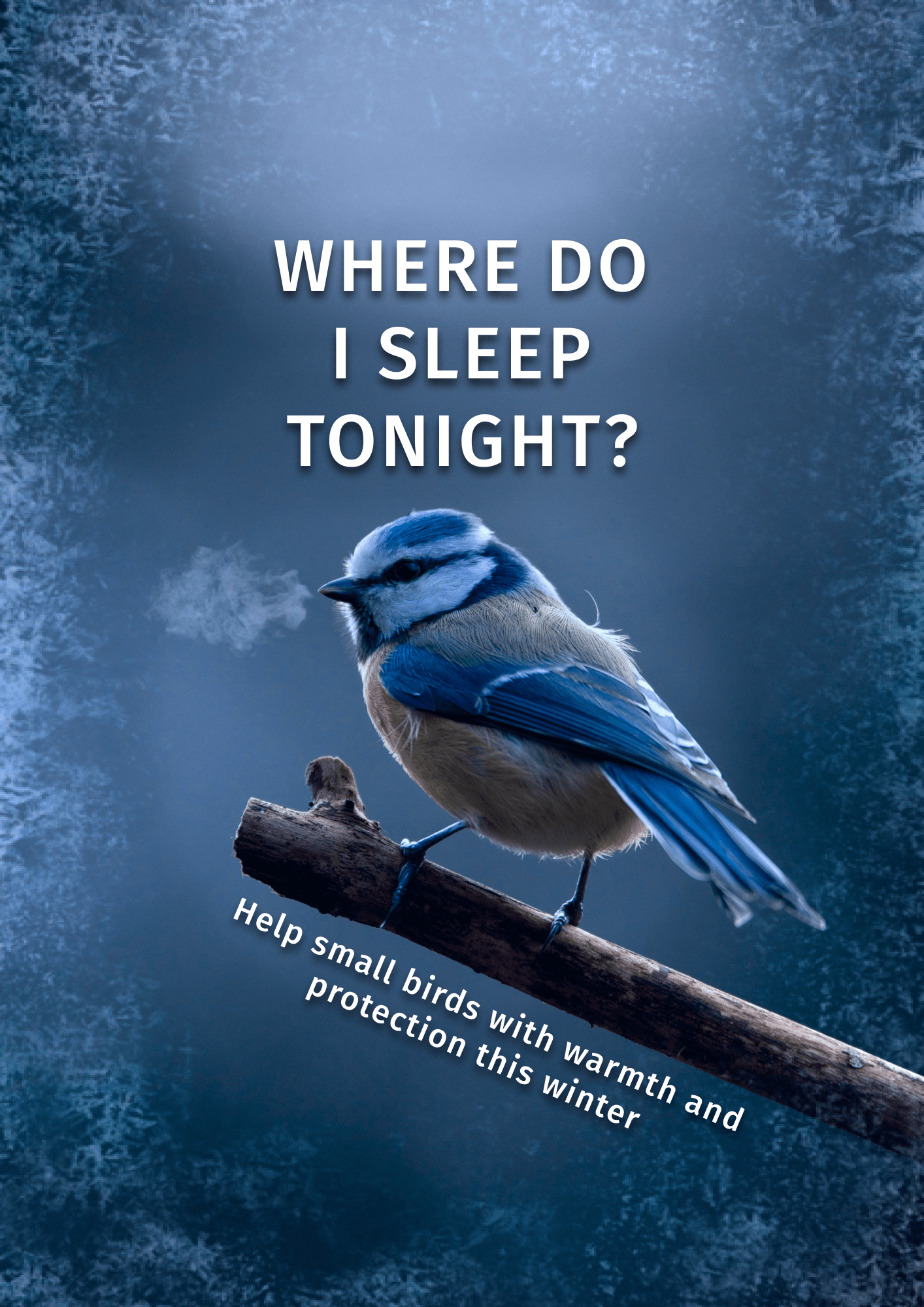
Human-centered methods were adjusted for users who could not explain their needs or participate directly in conventional tests.
Study bird behavior through literature, experts, and observation.
Focus on winter warmth, energy, and predator protection.
Generate and evaluate physical interaction concepts.
Move from simulation to a wooden Arduino prototype.
Validate functionality and refine through expert critique.
Small sedentary birds face cold, energy loss, and predator risks during northern winters. BirdLiving proposes a protected place to recuperate, while challenging the team to interpret animal needs without projecting human assumptions onto them.
Scientific reports, articles, observation, and interviews with bird enthusiasts built a picture of feeding, nesting, and garden behavior in northern climates.
The goal was to map established knowledge while making gaps and uncertain assumptions visible.
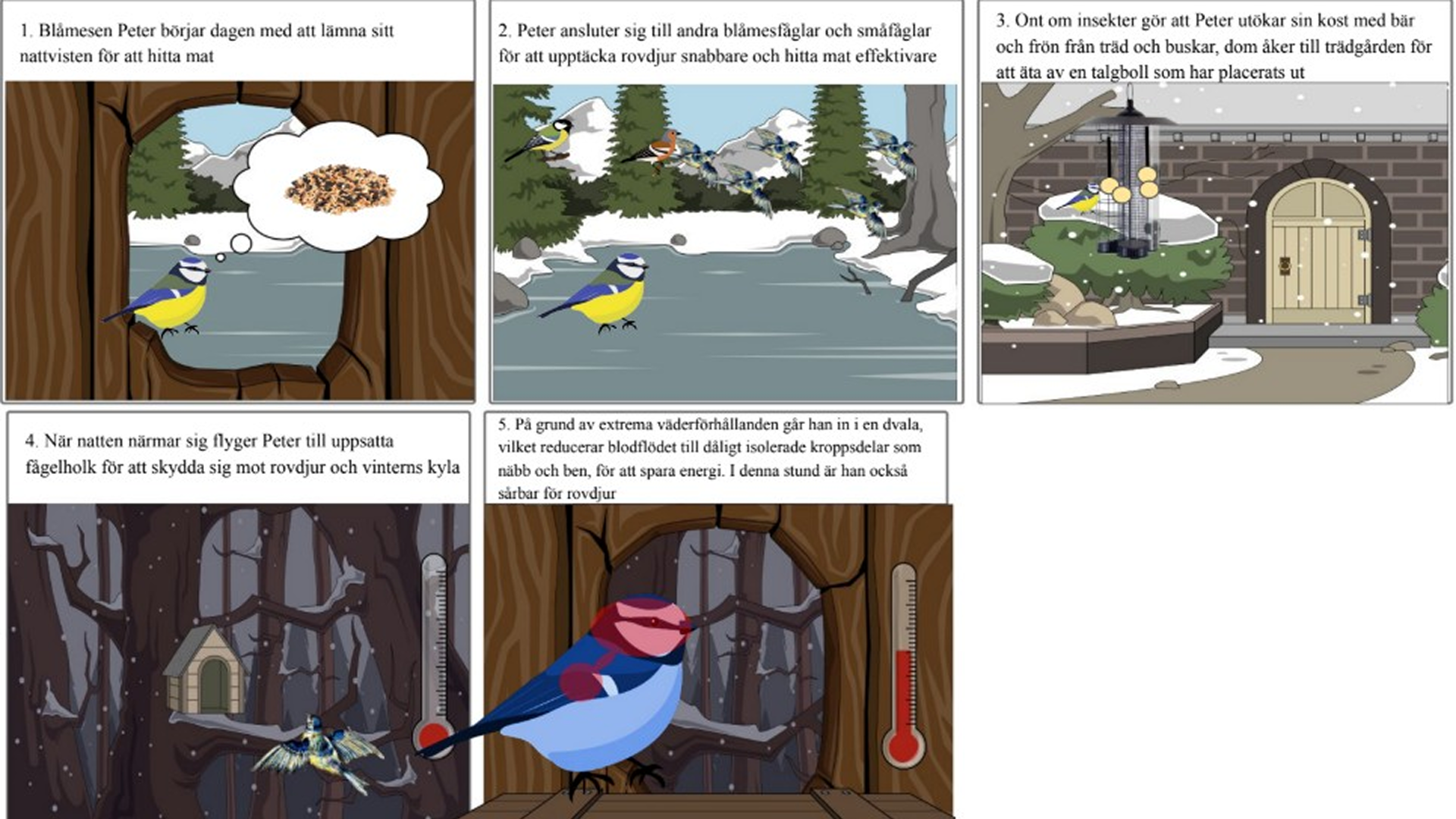
Affinity mapping identified winter energy and warmth as the core issue. A scenario around Peter the blue tit made the non-human perspective tangible and supported a user-centered problem frame.
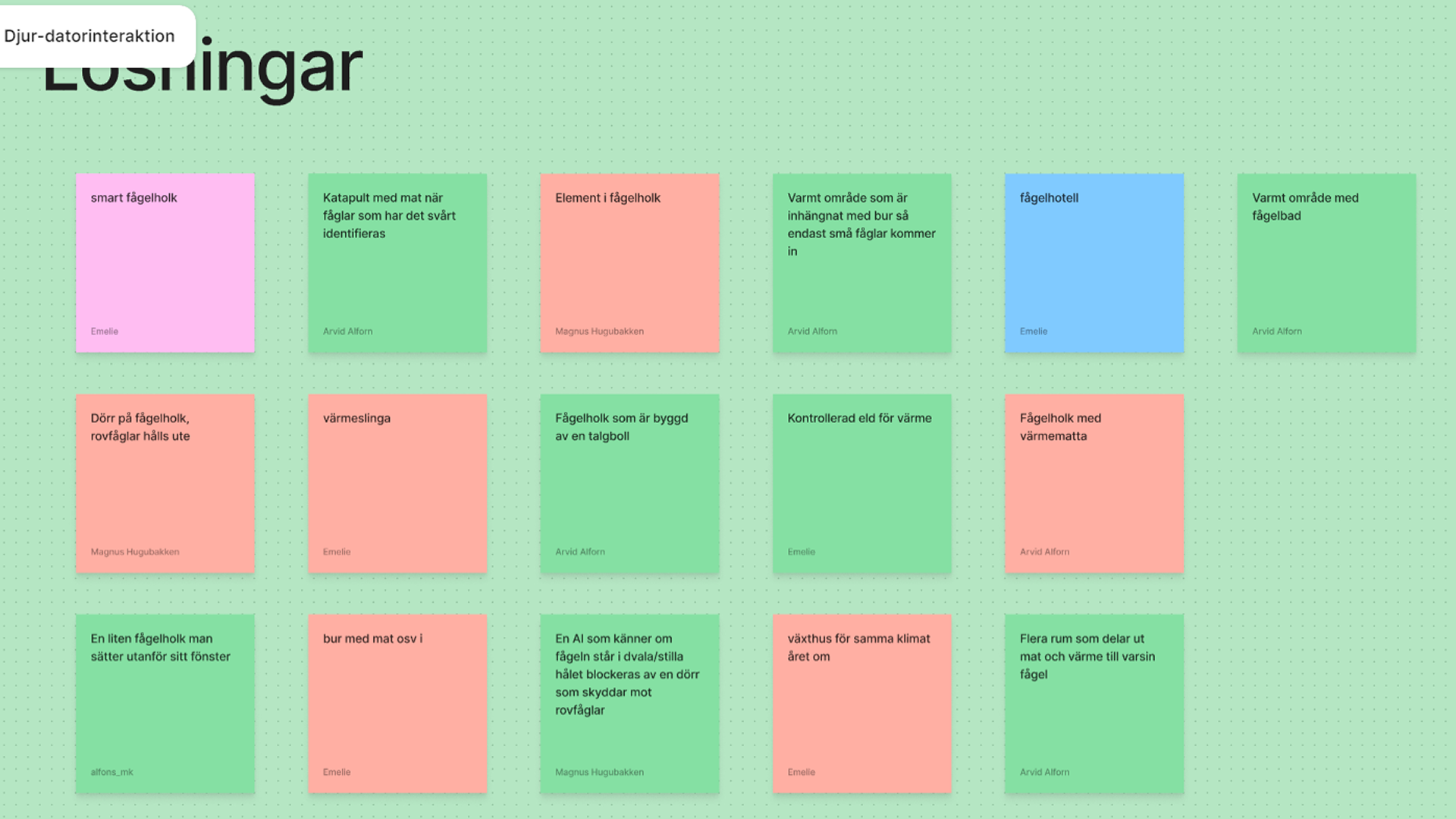
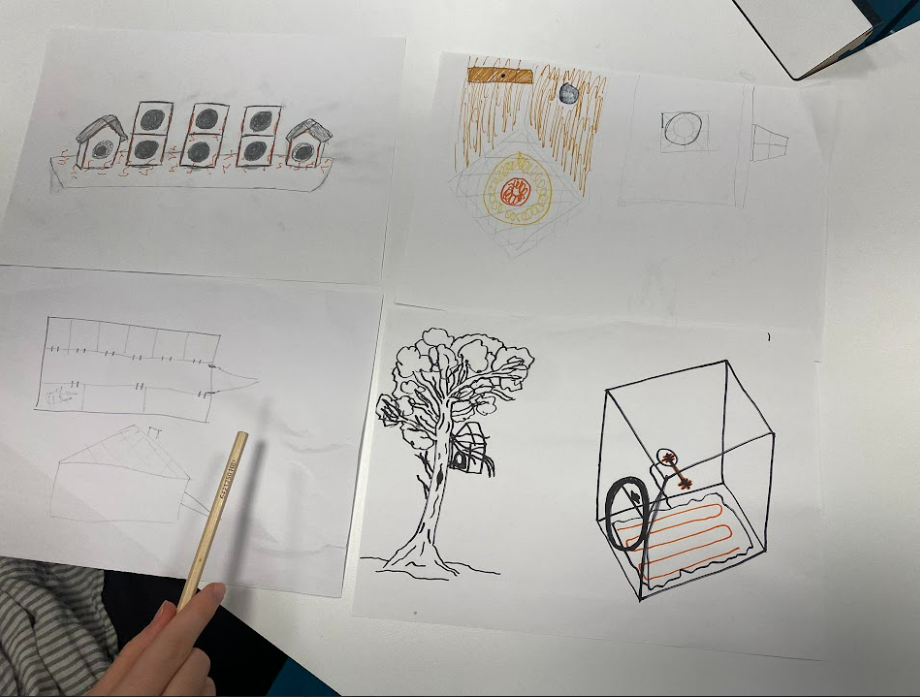
Brainstorming and How Might We questions expanded the design space. Sketching then made concepts concrete enough for team critique, feasibility discussion, and iteration.
A digital Arduino simulation allowed fast testing of components and logic. Once stable, the system moved into a wooden bird box that combined the physical shelter with programmed behavior.
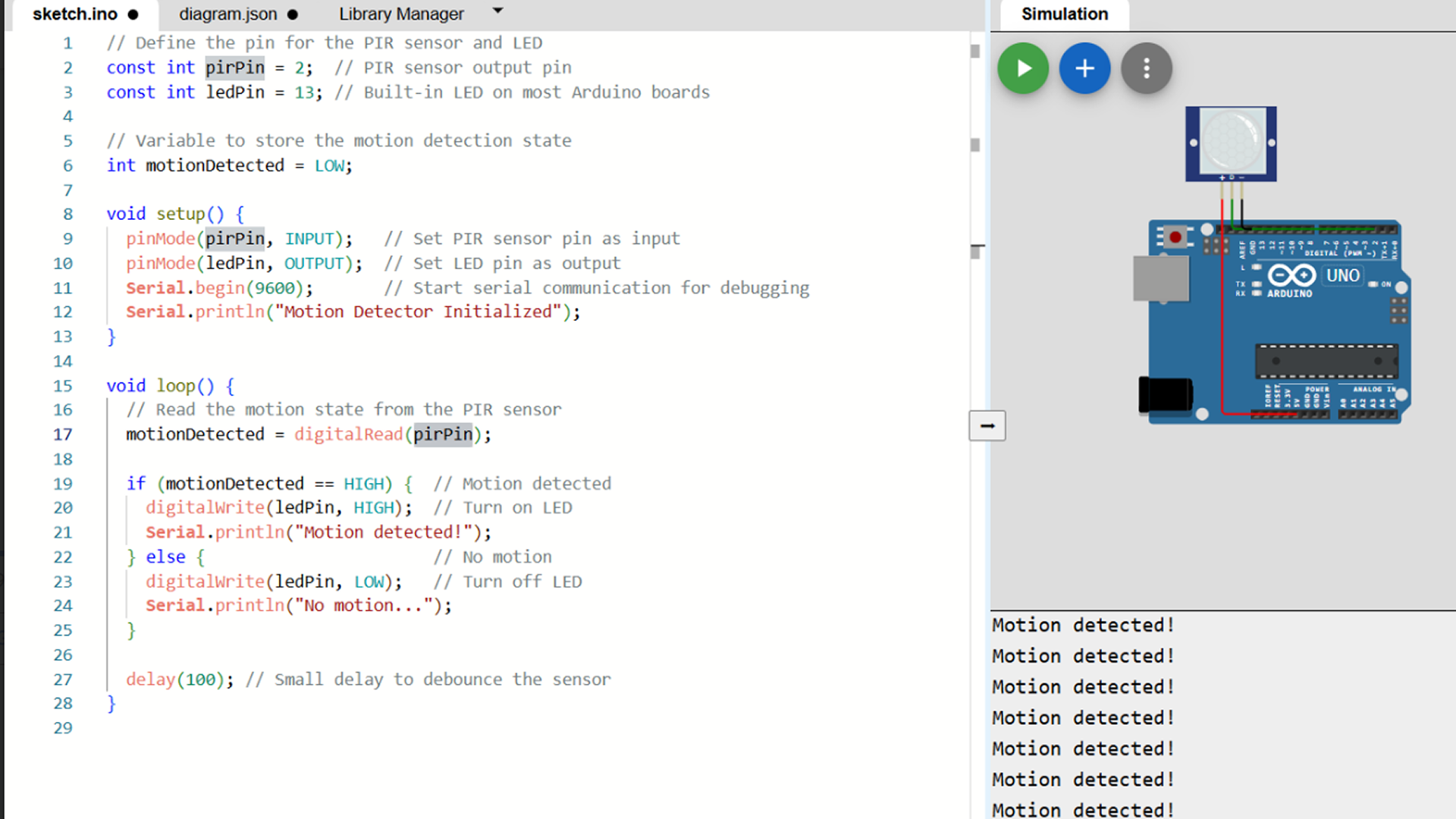
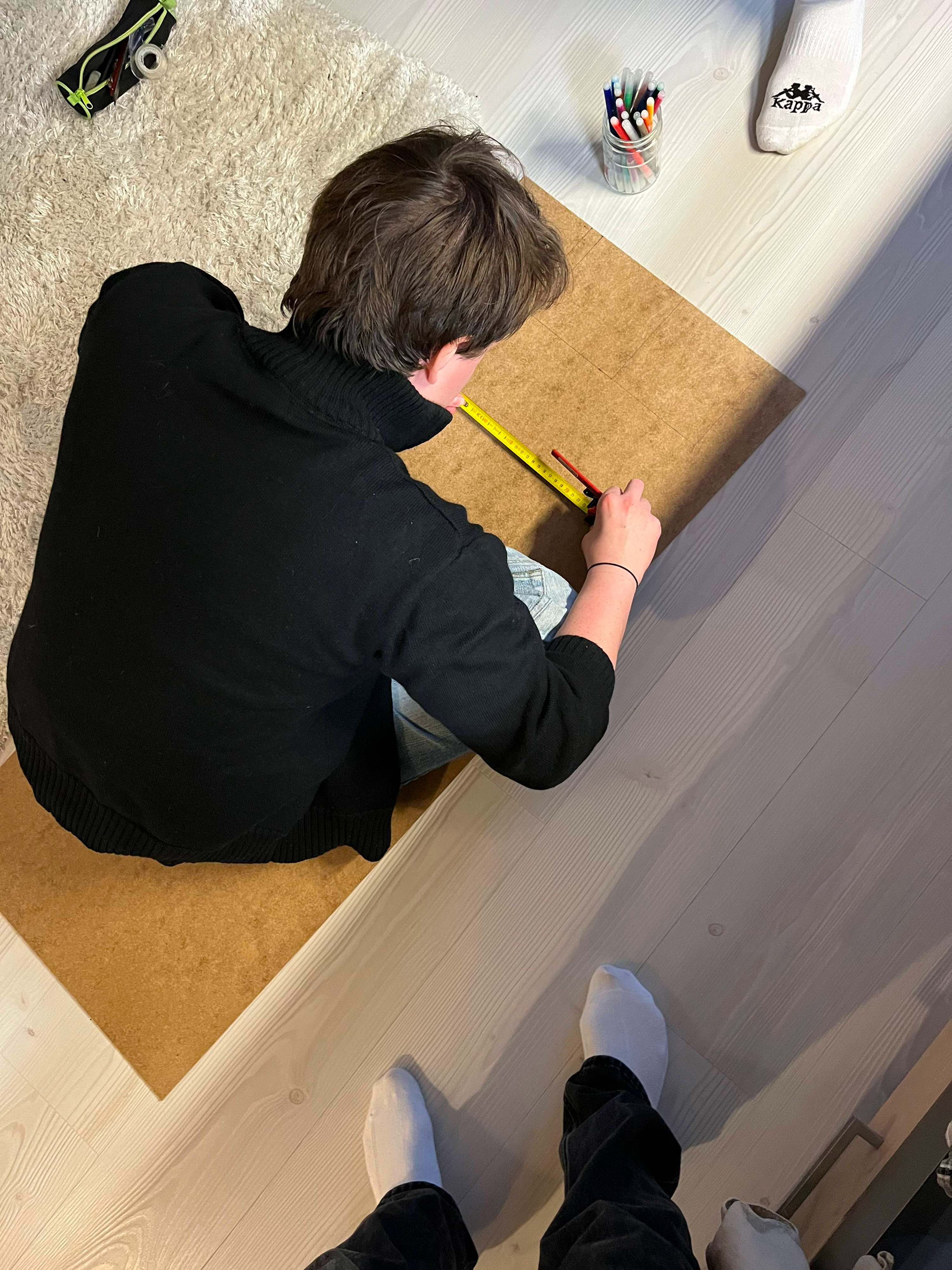
Direct testing with birds was not appropriate at the prototype's fidelity. The team instead verified code and component behavior, made small adjustments, and used weekly supervisor reviews to improve technical and design decisions.

The final exhibition combined the working prototype with a selling poster, design-thinking poster, and brochure. Presenting the research alongside the artifact made the reasoning and ethical questions visible.
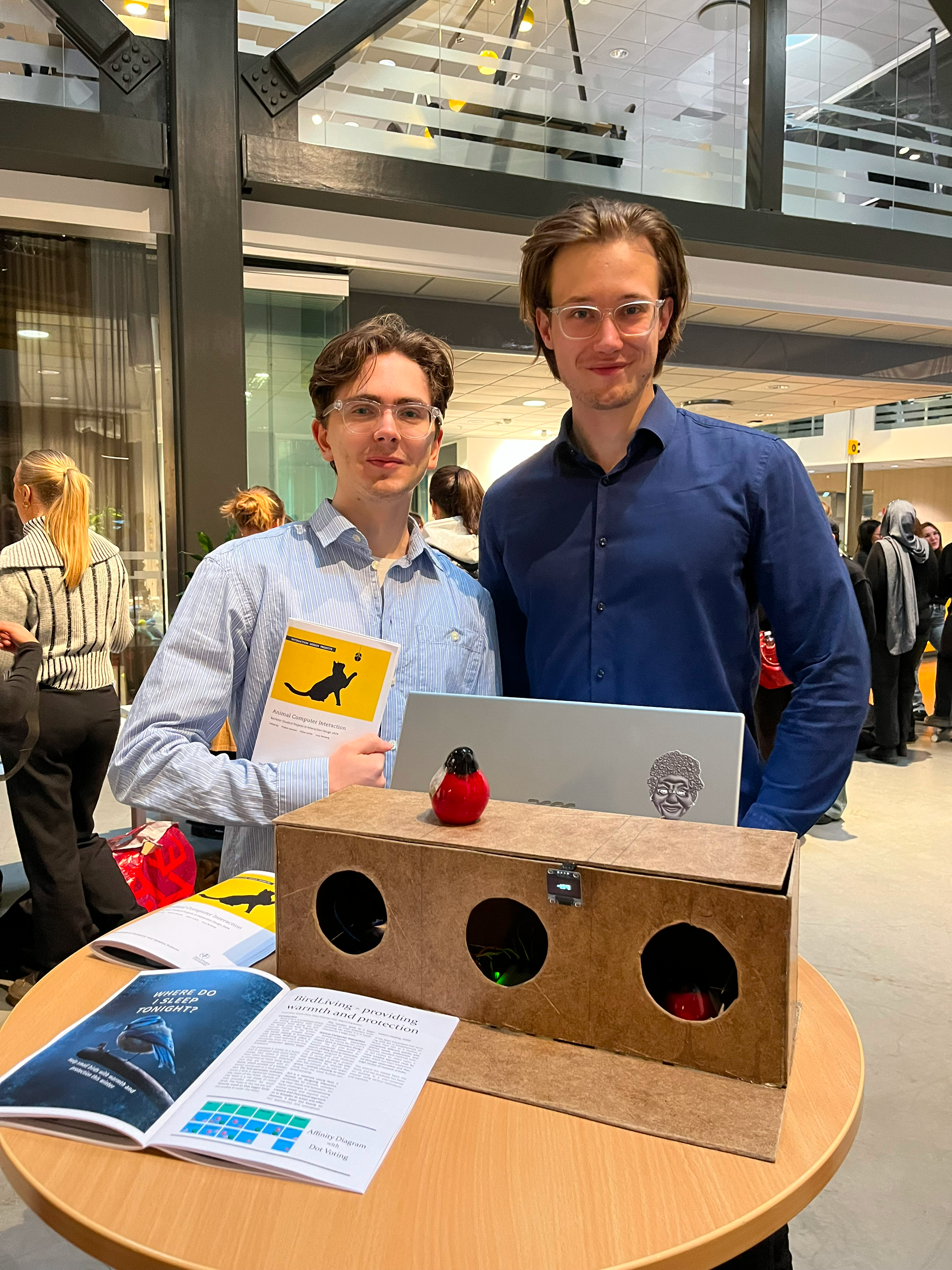
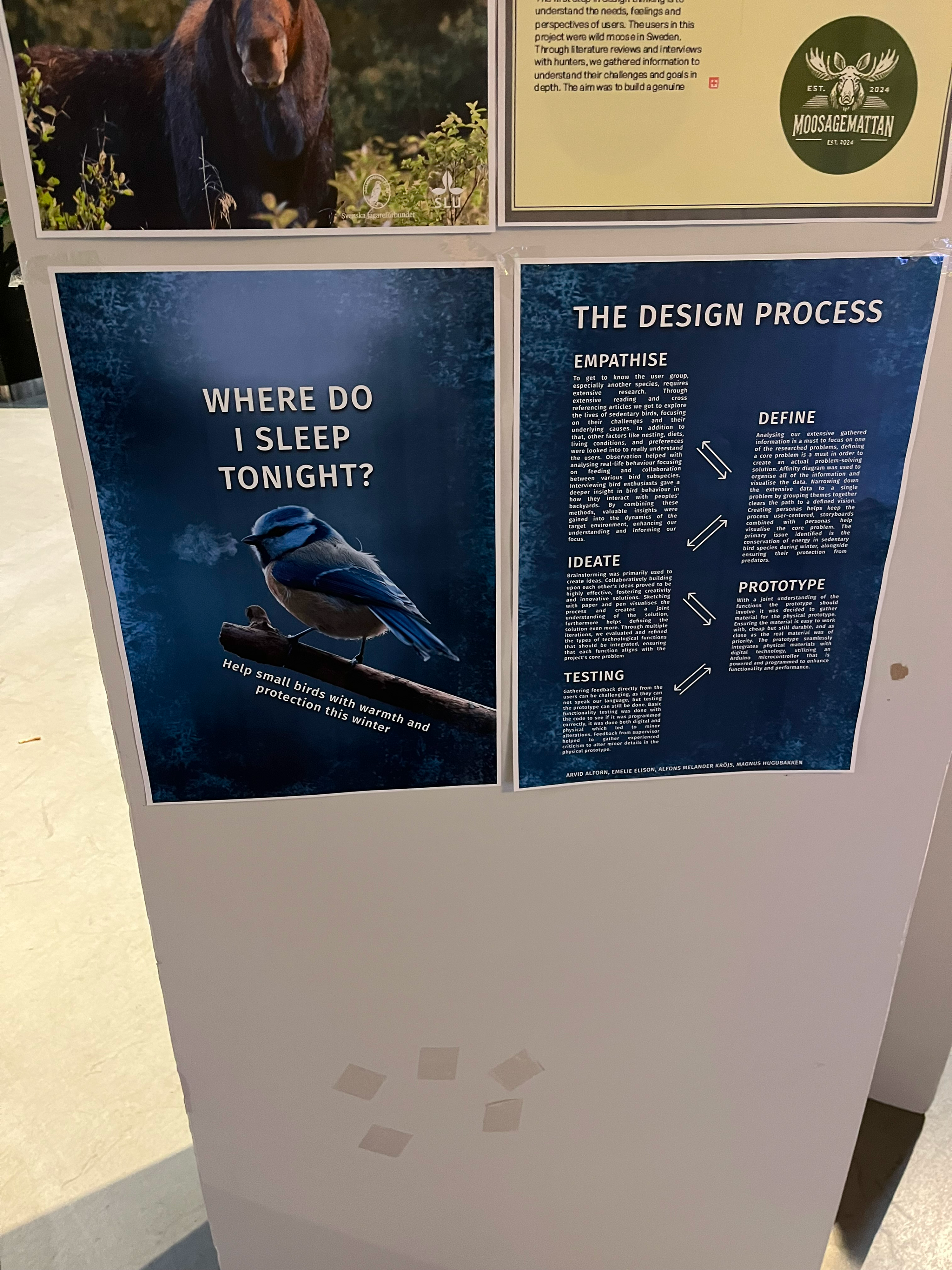
Animal-computer interaction requires greater humility about what designers can know. Without direct communication, observations, expert knowledge, and biological evidence must be interpreted critically to avoid human bias.
High-fidelity animal testing can also be costly, time-consuming, and ethically complex. The project reinforced the importance of considering unintended ecological consequences and adapting design methods to the realities of non-human participation.